

What to Expect During the Postnatal Period
Navigating physical changes, emotions, organisation and helpful essentials
After the birth, a very special time begins: the postnatal period.
While your body recovers and you get to know your baby, you may face new challenges.
Many mothers are surprised by how intense this phase can be. Here you will find an honest overview of what to expect in the first few weeks after birth, physically, emotionally and in terms of organisation, as well as how you can prepare.
Physical changes during the postnatal period
Postnatal recovery and afterpains
As the uterus contracts back to its pre-pregnancy size, you may experience afterpains, particularly while breastfeeding. Gentle movement and rest can help ease discomfort.
Bleeding and lochia
Bleeding for up to six weeks after birth is normal.
The intensity gradually decreases. Postnatal sanitary pads can be very helpful.
Starting to breastfeed and milk coming in
Milk usually comes in on the third to fifth day and may be accompanied by a feeling of fullness or a slight fever. Support from a midwife or breastfeeding specialist can be very helpful. Breastfeeding pillows can also make feeding more comfortable.
Wound healing
Perineal stitches or a caesarean section scar need time and care.
Wound care products and comfortable clothing can make the first few days easier.
Emotional changes
Baby blues
Mood swings are common and usually normal during the first ten days. It is important to seek support if feelings of sadness persist. If you are experiencing postnatal depression, professional help is needed.
Everyday concerns
Questions about breastfeeding, sleep or childcare can feel overwhelming. Speaking openly with your midwife, partner or other mothers can help.
Moments of happiness
Time spent cuddling and bonding with your baby can be very meaningful and helps strengthen your connection.
Organising daily life after birth
Daily routine and support
- Your body needs time to recover, so allow yourself to rest.
- Accept help and delegate tasks such as housework, shopping and cooking where possible.
- Limit visits. Short, calm visits are often more manageable for you and your baby.
- Eat a balanced diet and drink plenty of fluids. If you are breastfeeding, you will need an additional 500 to 600 kcal per day.
Relationships and family
- Communication is important. Talk openly about your needs and be considerate of one another.
- Share responsibilities for caring for the baby and adjust to your new roles together.
- Intimacy: your body needs several weeks to recover. Only do what feels right for you. As a couple, focus on rebuilding closeness without pressure.
Frequently asked questions about the postnatal period
How long does the postnatal period last?
It usually lasts six to eight weeks, although this varies from person to person.
Do I need to arrange a midwife myself?
Yes. In Germany, Austria and Switzerland, it is advisable to arrange a midwife early, as availability can be limited. It is best to do this as soon as you know you are pregnant.
When can I start exercising again?
Gentle postnatal exercises can begin after a few days at the earliest. More intensive exercise is usually recommended after completing a postnatal recovery course, typically eight to twelve weeks after birth.
Are mood swings normal?
Yes. The baby blues are common due to hormonal changes and fatigue. If feelings of sadness last longer than two weeks, this may indicate postnatal depression and you should seek support.
How can I prepare for the postnatal period?
Prepare simple meals in advance and assemble a postnatal care box containing essentials such as sanitary pads, a nursing pillow and personal care products. Ask your partner or support person to assist with preparations.
What products do I need for the postnatal period?
Essential items include postnatal sanitary pads, mesh knickers or comfortable cotton briefs. You may also need nursing bras, breast pads, nipple care such as lanolin ointment, a nursing pillow, breastfeeding tea and comfortable front-opening clothing. Cooling pads for the intimate area, a hot water bottle or cherry stone pillow for afterpains, a bidet for gentle cleansing and sitz baths can also support recovery.
What should you do if you experience the baby blues or depression?
The baby blues are common and usually begin three to five days after birth. They are caused by hormonal changes and fatigue. Talk to your partner, friends, midwife or family about how you feel. If symptoms persist for more than two weeks or become severe, seek professional help.
Related products
-
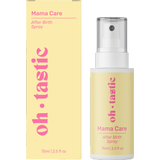
ohtastic Mama Care After Birth Spray, 75 ml
- Cares for scars & wounded areas
- Gentle, fragrance-free formula
- With rose & witch hazel water
-
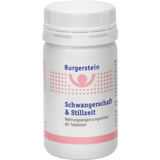
Burgerstein Pregnancy & Nursing, 60 tablets
- Valuable nutrients
- For mothers and children
- Free from artificial additives
-

MOGLi Organic Muesli Bar, 25 g
- With cereals, hazelnuts & sesame
- Sweetened with honey
- Free from artificial sweeteners & lactose
Magazine Articles:
-
Great Britain: Free standard delivery from £69.90
-
Free
returns Secure payments
with SSL encryption technology