
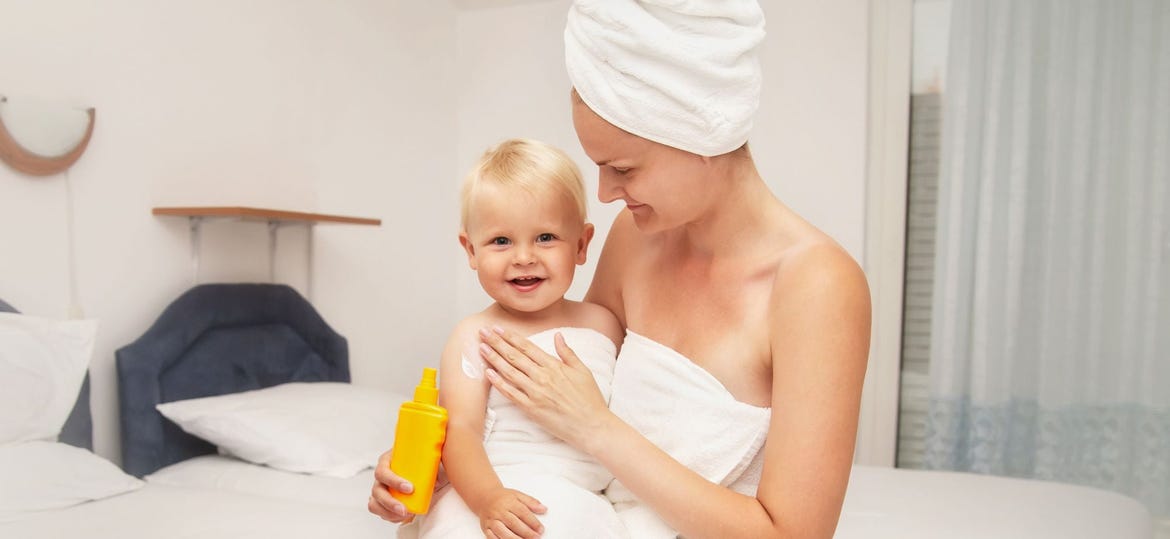
Soak up the sun - safely and carefree!
Your sun protection guide for babies and toddlers
The most important rule: shade offers the best sun protection
Before we talk about sun cream, the golden rule of skin protection comes first:
Avoidance: If possible, babies under the age of one should not be exposed to direct sunlight at all.
Clothing: Light, loose-fitting clothing made from cotton or specialist UV-protective fabrics often provides better protection than any sun cream.
Important: UV rays are most intense between 11:00 and 15:00. It is best to spend this time indoors or relaxing in the shade.
Mineral vs chemical: Which sun cream is best?
This is one of the questions parents pose most often. There are two main types of sun protection:
1. Mineral sun cream (physical filter)
These creams contain natural minerals such as titanium dioxide or zinc oxide.
- How they work: They sit on the skin like a layer of tiny mirrors and reflect UV rays before they can penetrate the skin.
- Advantages: They work immediately after application and do not contain hormonal or potentially harmful chemical filters. Ideal for babies and children with sensitive skin or allergies.
- Disadvantages: They can be harder to spread and often leave behind a white residue on the skin. However, this can actually be useful for babies, as it helps the parent see exactly where the cream has already been applied.
2. Chemical sun cream (organic filter)
- How they work: The ingredients are absorbed into the skin, where they convert UV rays into heat and release it.
- Advantages: They absorb quickly and are less greasy.
- Disadvantages: They need around 20 to 30 minutes before they become effective. Some chemical filters have also been criticised for potentially causing allergic reactions or hormonal effects. Thus, they are generally not recommended for babies’ delicate skin.
What to look for when buying sun cream (checklist)
When choosing a product, look out for the following:
- SPF 50 or 50+: Babies and toddlers should always use the highest sun protection factor available.
- UVA and UVB protection: Check that both symbols are shown on the packaging. UVA protection is usually displayed inside a circle.
- Fragrance-free and preservative-free: Fewer ingredients generally mean a lower risk of allergic reactions.
- Free from nanoparticles: With mineral creams, the particles should be large enough not to penetrate the body. Look for products labelled “non-nano”.
☀️ Our sun protection tips:
Sun protection involves more than just applying cream. A high-quality sun hat with neck protection is essential for protecting the sensitive scalp and ears. Canopies are often more practical than umbrellas for pushchairs or buggies, as they are more flexible and provide better shade.
After a day outdoors, the skin will benefit from a gentle baby skincare product, such as mild almond oil, to help replenish moisture. Make sure your child remains well hydrated. Water stays pleasantly cool in a stainless steel bottle, even when kept in the shade.
Frequently asked questions about sun protection
Should I apply sun cream to my baby even when in the shade?
Yes. Up to 50% of UV rays can be reflected by sand, water or light-coloured walls, meaning they can still reach shaded areas. Basic sun protection is therefore important even when under an umbrella or a tree.
How much sun cream should I use?
Most parents apply too little sun cream. To achieve the stated SPF, the cream should be applied generously. Do not forget commonly exposed areas such as the ears, bridge of the nose, tops of the feet and scalp when the baby or toddler does not have too much hair yet.
How long does sun cream last?
Check the small open-jar symbol on the packaging. In most cases, sun cream lasts for 12 months after opening. Sun cream from the previous year may no longer provide full protection, especially if it has been exposed to heat. It is usually best to buy a fresh tube for the new season.
What about vitamin D if I always use sun cream?
For young children, around 15 minutes a day with only the hands and part of the face exposed to sunlight, even in the shade, is often enough to support vitamin D production. The risk of sunburn outweighs concerns about vitamin D production through the skin. Most babies also receive vitamin D supplements during their first year.
Does sun cream still work in water?
There are water-resistant creams, but much of the protection is lost after swimming and towel drying. Sun cream should therefore always be reapplied afterwards. Please note: Reapplying sun cream does not extend the total amount of time your child can safely stay in the sun. It only maintains the existing level of protection.
Conclusion: Enjoy the sunshine with caution. With the right clothing, plenty of shade and a high-quality mineral sun cream, your child can safely enjoy summer outdoors. If your child’s skin starts to feel warm or looks slightly red, it is time to move into a cooler area.
Related products
-
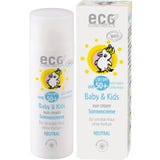
eco cosmetics Baby Sun Cream SPF 50+ Neutral, 50 ml
- Water-resistant and hypoallergenic
- Balanced UVA/UVB filters
- Instantly effective
-
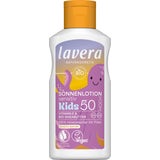
lavera Sun Lotion Sensitive for Kids SPF 50+, 100 ml
- For face & body
- UVA & UVB protection
- Waterproof & unscented
-
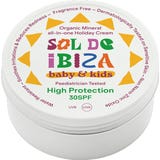
Sol de Ibiza Baby & Kids Organic Mineral All-In-One Holiday Cream SPF 30, 100 g
- Without nano technology
- Water-resistant & unscented
- For the face & body
-

PAEDIPROTECT Family Sunscreen SPF 50+, 200 ml
- Without octocrylene
- Easy to distribute on the skin
- With dandelion extract
Magazine Articles:
Discover Babymondino:
-
Great Britain: Free standard delivery from £69.90
-
Free
returns Secure payments
with SSL encryption technology