
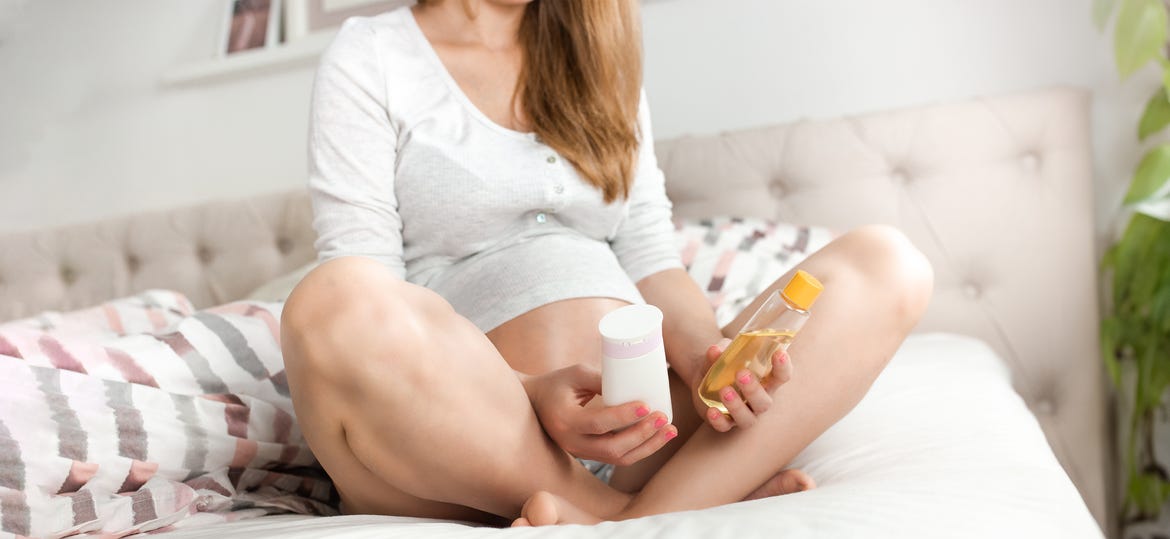
Skincare during Pregnancy
What your skin really needs right now
Growth, hormones and increased blood volume can change your skin’s texture. Many women notice that their skin becomes drier or more sensitive during pregnancy.
Pigmentation spots (e.g. melasma) may appear, and stretch marks on the stomach, hips, breasts or thighs may become more visible.
These changes are completely normal and part of the major adjustment your body is going through.
With gentle skincare, you can support your skin without putting it under additional strain.
Gentle skincare: what helps now
Cleansing and care
Use mild, fragrance-free cleansing products and moisturising creams or oils (e.g. almond oil, jojoba oil, shea butter) to keep your skin soft and supple.
Preventing stretch marks
Regular application of creams or oils can help to relieve tightness. Gentle massages may also support circulation. Drinking enough fluids and eating a balanced diet can help maintain your skin’s elasticity from within.
Sun protection and pigmentation
Use mineral sun creams (zinc oxide, titanium dioxide) to protect your skin from sun exposure. Gentle sun protection may also help reduce the appearance of pigmentation spots. It is advisable to avoid chemical filters, as some may have hormone-like effects.
Ingredients you should avoid
- Retinoids (retinol, vitamin A derivatives)
These active ingredients are often found in anti-ageing or acne products. During pregnancy, they may have a negative effect on the baby’s development in the womb. - Strong acids (high concentrations of salicylic or glycolic acid)
These are often used in exfoliants or blemish treatments. In high concentrations, they can irritate the skin and may be absorbed through the skin, which is not recommended during pregnancy. - Untested chemical sun filters
Some chemical filters (e.g. oxybenzone, octinoxate) may have hormone-like effects. During pregnancy, it is advisable to avoid these.
Frequently asked questions about skincare during pregnancy
Can I completely prevent stretch marks?
Unfortunately, there is no guarantee. Regular use of creams or oils can help the skin remain elastic and reduce feelings of tightness. Many pregnant women find this routine comforting, even if stretch marks do not disappear completely.
When should I change my skincare routine during pregnancy?
Many women notice within the first few weeks that their skin becomes more sensitive or drier. As a general rule, you can switch early to gentle, mild products that are free from retinoids or harsh acids. It is worth checking the ingredients in your current skincare products. A gradual change can help prevent irritation and support your skin.
Why am I suddenly getting acne or spots during pregnancy?
Hormonal changes are the most common cause of pregnancy acne. Androgenic hormones can increase sebum production, which may cause pores to become blocked more quickly. Stress, diet or certain skincare products may also contribute to breakouts. In many cases, acne improves after the birth. If you are unsure, your midwife or dermatologist can offer tailored advice.
What helps with dry and tight skin?
Dry skin is common during pregnancy, especially on the stomach, chest and thighs. Rich creams or oils, such as almond or jojoba oil, help to retain moisture. Apply your skincare product straight after showering so that it can be absorbed more effectively. Gentle massages may also support circulation and overall comfort. Avoid hot showers or heavily perfumed products, as these can dry out the skin.
My skin is very itchy. Is that normal?
Mild itching, particularly on the stomach or breasts, is often harmless and usually caused by the skin stretching. Moisturising creams or oils can help relieve tightness. Try not to scratch too much to avoid irritation. If the itching is severe, affects the whole body or is accompanied by other symptoms, contact your midwife or doctor.
Related products
-
Weleda Stretch Mark Massage Oil, 100 ml
- Delivers intense moisture
- Protects from dryness
- Eases tightness
-
ATTITUDE Super Leaves Nourishing Lotion, 473 ml
- Ideal for demanding skin
- Promotes elasticity
- Rich in antioxidants
-
ATTITUDE Super Leaves pH-balanced Shower Gel, 473 ml
- Suitable for all skin types
- pH neutral & hypoallergenic
- Apple blossom scent
-
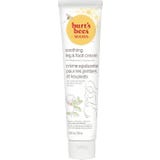
Burt's Bees Mama Bee Leg & Foot Cream, 100 ml
- Cooling effect
- With precious oils
- Moisturising care
Magazine Articles:
Discover Babymondino:
-
Great Britain: Free standard delivery from £69.90
-
Free
returns Secure payments
with SSL encryption technology